When I think of the word storytelling, I don’t think Google or Microsoft’s cyber division. I think of Jackanory, Hans Christian Andersen and the timeless stories we’ve been telling each other for centuries, writes Simon Burch.
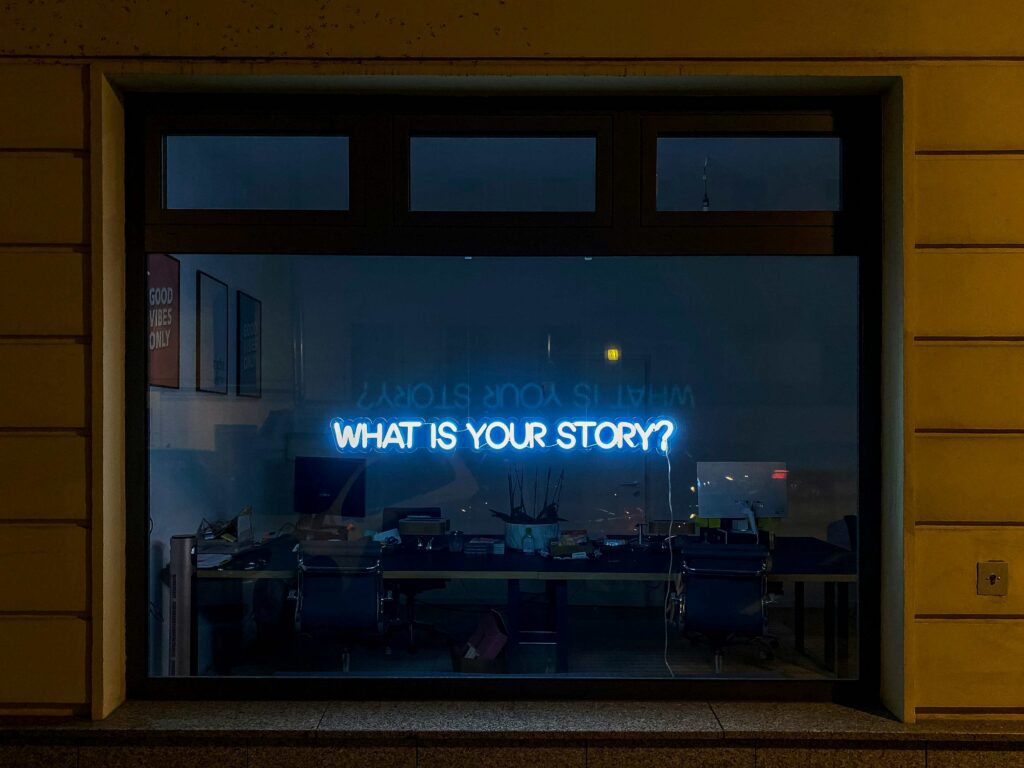
But apparently, as we celebrate #NationalStorytellingWeek storytelling is everywhere — particularly in PR and communications, where the world’s biggest companies are increasingly hiring professional storytellers to shape their reputations.
Storytelling in PR has become such a sought-after skill that LinkedIn job postings containing the word “storyteller” have doubled this year, with more than 50,000 marketing roles and over 20,000 communications jobs now explicitly asking for it.
Why storytelling matters to modern businesses
Well, if anyone in Silicon Valley is reading this, I’m all ears: although I would describe myself as a former journalist and PR consultant, I’ve essentially been a professional storyteller for 30 years – and have told literally thousands of stories in that time.
But despite that, it’s only fairly recently that I have looked into why the stories that I write follow the same pattern and realised that there is fundamentally no difference between my news stories and the stories we enjoy in fiction.
The seven basic plots behind every great story
This penny dropped when I read Christopher Booker’s in-depth study, the Seven Basic Plot, which explains that all of the most widely enjoyed stories we consume here in the West are based on the same seven structures.
Yes, he focussed his attention on explaining how Beowulf is an early forerunner to Jaws and Alien (the plot he calls Overcoming the Monster) and how Aesop’s Odyssey (Voyage and Return) paves the way for the Wizard of Oz and Robinson Crusoe, in which our hero is plucked from their usual world, travels somewhere else and returns older and wiser.
For the record, the other five are Tragedy, Comedy, Rebirth, The Quest and Rags to Riches.
Overcoming the Monster is, in fact, the plot to the oldest written text in history (The Epic of Gilgamesh, which is a Mesopotamian text dating back thousands of years), but you’re not telling me that it is essentially the model for how every UK company dealt with COVID.
Hero (company) faced with peril (going out of business) fears everything is lost, but then they use magic weaponry or genius (strategy/marketing stunt) which, despite a shaky start, prevails, leading to success, acclaim and a great COVID pivot story for the next awards entry.
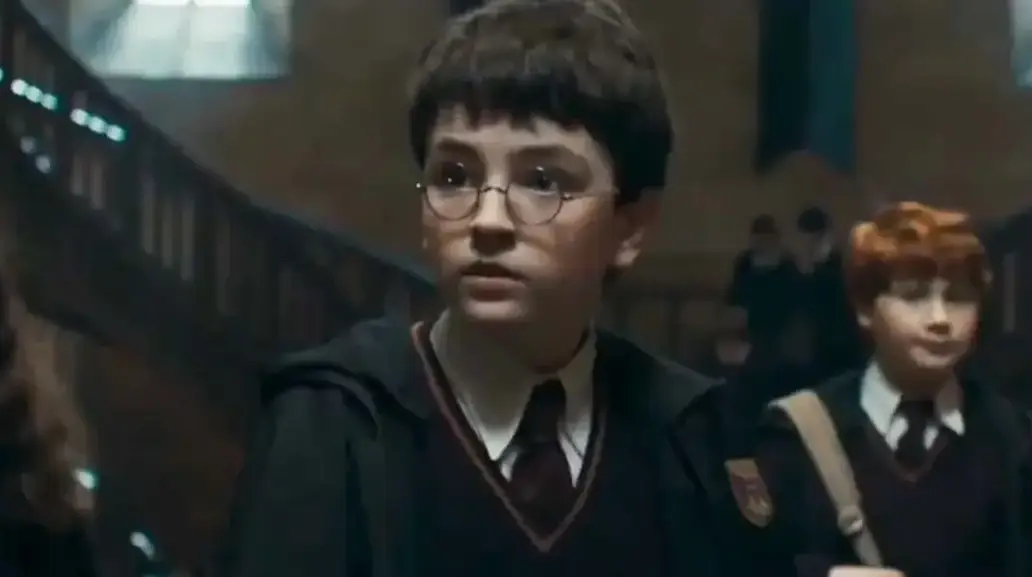
Or that Rags to Riches – where our hero rises from obscurity to earn fame and acclaim (think Harry Potter or Dick Whittington) – is the dream scenario for every entrepreneur hoping to emulate Steve Jobs or Sara Blakely.
Why brands and founders become heroes
No, neither of these are as exciting as Jaws or the Wizard of Oz, but, unaware of what we’re doing, storytellers reach for these narratives and apply them accordingly, by gathering what are in essence unrelated facts, random events and personal insights and presenting them in an order which correlates with whatever story we think fits best.
We then send the story out into the world via whatever media is most appropriate.
And then we find another story and start again.
Write, Publish, Repeat.
I have been incredibly privileged to have made a living for three decades in this way, having started as a junior reporter on the Derby Telegraph, getting a job interviewing famous people in London and, for the past 20 years, using my writing and questioning skills for PR.
I have now developed what you might call a nose for a story, but in effect it’s like being a baker – someone capable of taking a bunch of random ingredients and combining them in a certain way to make something edible that people will enjoy.
So storytellers are like bakers, but while it’s clear why people like cake, it’s less clear why people like stories so much and why storytelling is the very best way to spread your message.
And why are people happy to watch or read story after story based on just seven different scenarios (albeit often with minor subversive twists) without even noticing it?
(That is, until someone points out that Alien is Jaws set in space, or Aslan from The Lion, the Witch and the Wardrobe is essentially Jesus Christ and that Katniss Everdeen from The Hunger Games is basically Dorothy from the Wizard of Oz, albeit the end to her adventure is somewhat darker, as befits the dystopian genre).
There is a whole bunch of stuff about how our brains work to explain this, but the main takeaway is that we like the familiarity of a story we recognise, as long as it’s got a twist to keep it fresh.
And we like stories with people at their heart – which is why the best, most engaging business stories concern the founders who personify their brands – because the stories we tell are lessons in life.
This is because the way we understand the world around us and our role within it is essentially a story too.
Our brains filter what is a bewildering tsunami of sensory information and sort it into a mental narrative, casting the people around us into distinct roles in our personal drama and placing ourselves at the heart of everything as the hero.
It’s how we make sense of what we see – and why what makes sense to us doesn’t always make sense to someone else who is trapped inside their own personal story too.
So, it’s no surprise that, as natural storytellers (to ourselves), we love stories about other people and identify positively with those whose actions and values reflect our own, turning them into heroes.
This is what PR is all about. It’s sharing real stories, backed with facts and figures, that put our clients in the hero role, showing how they have used their intelligence and their physical attributes to succeed, combined with the bravery, community-mindedness and alignment with their customers’ values we expect to see in every matinee idol.
Ultimately, this hero-worship builds (and then protects) a good reputation – the kind of reputation that encourages people to like, trust and then buy from our heroes, because it’s rewarding to be associated with a brand that is clever, funny, good and cool.
What this means for PR and reputation
But woe betide any brand whose crown slips – the Macbeth in the marketplace, whose hero qualities are found to be lacking and whose damaged reputation will lead to a drop in sales to a disillusioned public.
Thanks to the seven plots, there is a way back for them (Rebirth), as long as their reaction fits the right storyline (contrition, accepting punishment, humility), written by a skilled storyteller, who knows the right ingredients for their crisis comms cake.
PR isn’t fiction, it’s a presentation of facts in a certain way, but it relies on the same devices as books and films.
Which is why, if you want to widen your fame and boost your reputation in the status game, you should hire a storyteller, who can share your stories, make you a hero – and help you and your company to live happily ever after.
Storytelling in PR: FAQs
Storytelling helps PR cut through noise by presenting facts in a meaningful, human way. Audiences are far more likely to trust, remember and engage with brands when information is framed as a story with people at its heart.
Brand storytelling in PR is the strategic use of real events, values and behaviours to position a company or founder as the hero of their own narrative, building reputation, trust and emotional connection.
Effective storytelling builds reputation by repeatedly reinforcing positive qualities – intelligence, bravery, integrity and community-mindedness – through consistent, credible narratives shared across media channels.
Yes. Crisis communications often follow a “rebirth” storyline, where humility, accountability and corrective action allow damaged reputations to recover when the response fits the right narrative.