It’s been heralded for unique and successful approach to getting Derby’s most persistent homeless people off the streets and now Derventio Housing Trust’s award-winning Home4Me scheme is now being rolled out in Burton.
Simon Burch talks to Angel Dieckvoss, who leads the project, about how it changes the lives of people who other organisations simply could not help.
When someone sits down with Angel Dieckvoss to join her Home4Me course, the first thing she asks them is what they’re hoping to achieve.
“I have a big empty box on the last page of my form,” she says, “and it’s there to record their hopes and aspirations.
“That helps to end the interview on the positives after everything they have told me about the darkest, saddest bits of their lives.”
For the majority, the theme is generally the same – to live, or resume living, what they regard as a normal life, but others are more specific.
SEE HOW PENGUIN PR CAN HELP RAISE THE PROFILE OF YOUR BUSINESS: Click here for more details
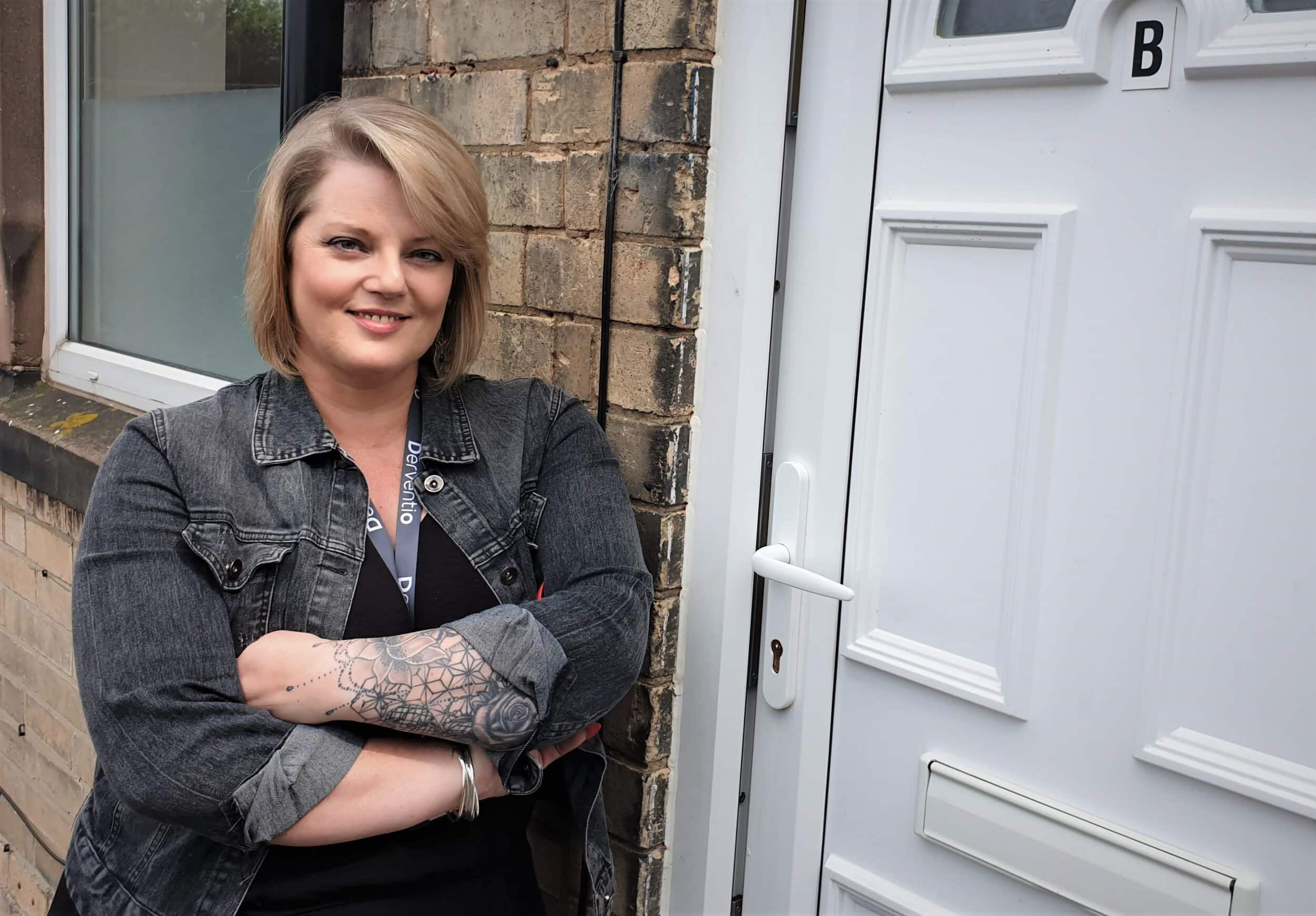
“One person I worked with wanted to learn to swim,” says Angel, 40, “and another wanted to learn to cook a lasagne.”
These may sound inconsequential, but for the men in question, achieving these aims became major landmarks towards them eventually finishing their time with Home4Me by moving into their own homes.
By doing so, they became members of an exclusive, and growing, group of people to have benefited by Home4Me, which was set up in 2018 by Derby social landlords Derventio Housing Trust to offer supported accommodation for the city’s most persistent homeless people.
It was launched after Derby Homes, which manages Derby City Council’s homelessness services, asked Derventio to work with 20 homeless people who’d faced multiple exclusions and who no-one wanted to house.
It was such a success that the next year the number of participants went up to 35, while the project has now been launched in Burton in conjunction with East Staffordshire Borough Council to help the town’s homeless community to stay off the streets for good.
Open to over-18s, the project gives people the long-term support they need to live independently after years of living on the fringes of society.
Many of them have had difficult upbringings or may have experienced abuse or violence, along with isolation, loneliness, anxiety, depression, drug addiction, alcohol abuse, mental health problems, trauma and everything else that forms a barrier towards being moving in, and staying in, permanent accommodation.
To turn their lives around takes months of intensive work involving a host of organisations, a team of support workers and Angel herself, who possesses a fierce determination to help those who sign up.
Not that she makes it easy for them to do so.
“When I interview someone about joining the scheme, I’m really unpleasant and I don’t sugar-coat anything,” she says. “I make it clear to them that I have standards and expectations.
“I am a big believer in giving people the right intervention, but it must be at the right time. If I think that it’s the wrong time or they’re not willing to do what I’m going to ask of them, I won’t accept them onto the project.”
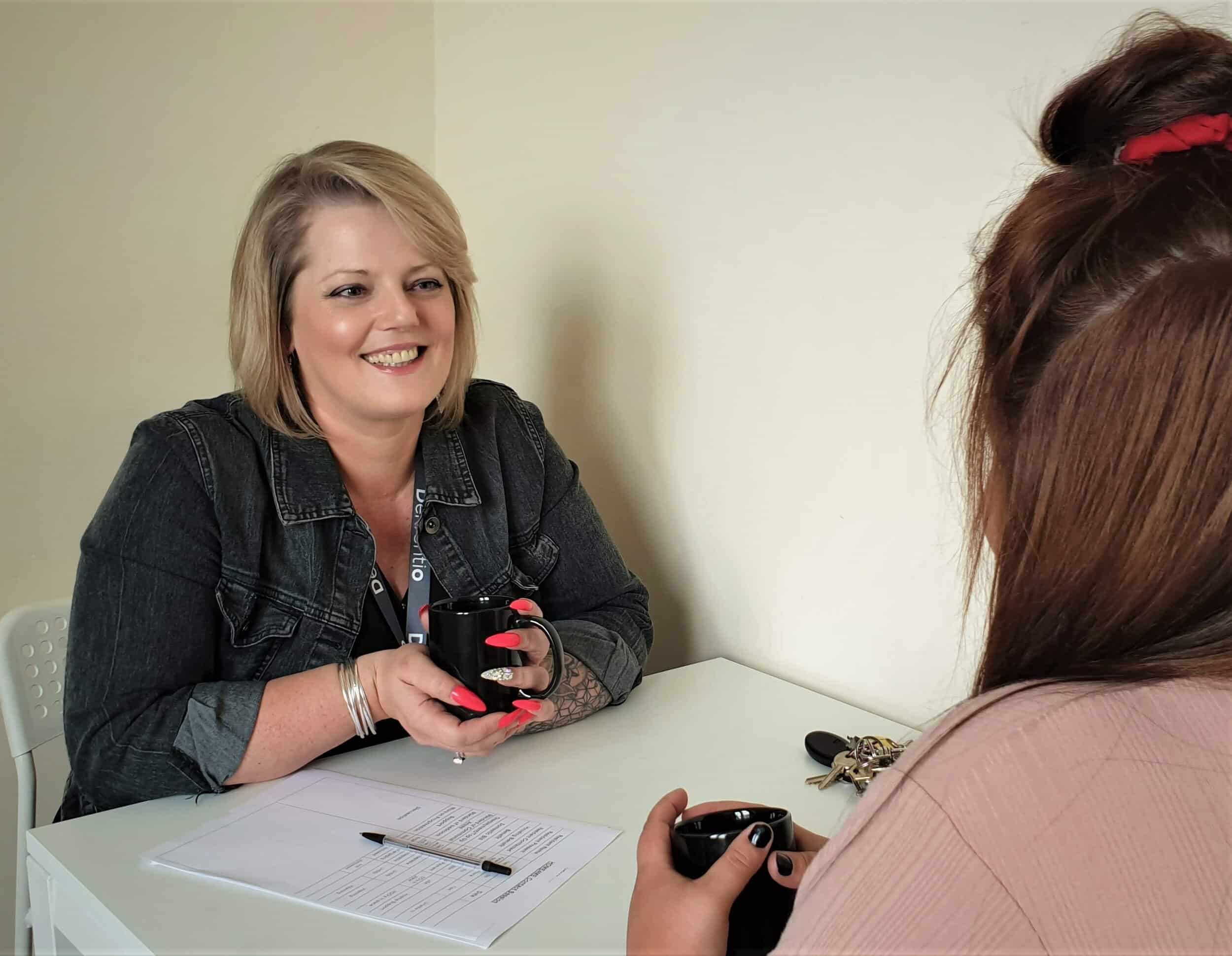
Once they’re accepted, everything changes, and they will go onto benefit from a bespoke service tailored precisely to their requirements.
“There is no cookie-cutter approach to this, and it wouldn’t work if there was,” says Angel. “That’s why I’m lucky to work with Derventio. They’re able to give me the flexibility and scope to do what needs to be done, backed up by an amazing support team.
“There is no typical homeless person, and the size and outlook of our organisation means that we don’t have a typical approach to their situation.”
As a result, Angel and her team are willing to go to great lengths to help residents, including accompanying them to doctors’ or hospital appointments, sitting down with them to fill out forms, going to job interviews or helping them deal with utility companies and debt repayment agencies.
Once, when a man who had slept under canvas for two years became anxious at the prospects of moving into his new house, she suggested he pitched his tent in the garden.
She also gives residents birthday cards, recognises even their most minor achievements and helps them to put together a book of life-skills that will become their manual to running their own home one day.
Angel arrived at the Home4Me project having worked as a prison officer and feeling unfulfilled about a job which she felt entailed locking and unlocking gates without helping people.
She then became a residential social care worker and is also a qualified hypnotherapist, counsellor and mediator, with knowledge and experience in mindfulness and sleep hygiene, giving her a range of skills that help people who have lived lives of chaos to change and grow.
But it is a qualification from outside of her CV which sets her apart from many other people in her field, because Angel spent some of her time growing up in the care system and has experience of being homeless herself.
“I was sleeping underneath an upturned rowing boat in the middle of a field because I’d run away one day,” she said.
“I’d had some bad things happen to me and I felt there was nobody I could trust, who wasn’t going to hurt or abuse me.”
That experience led Angel to develop her with her own personal motto – Be the light you wanted to see when you were in your darkest time – and set out to fulfil it, working with people whose worlds have fallen apart because they took the kind of ill-fated decision or suffered the kind of bad luck that separates any one of us from losing everything we own.
“No-one knows what the future holds and the speed with which you can lose everything, especially your self-esteem, is frightening,” she says.
“By the time they come to us, the people we work with are totally alone and can’t trust anyone. Many have been rejected by their families or they’re hiding from them until they can return with pride.
“Until then, we’re their family and we treat them accordingly by giving them the space to make mistakes and praise them when they’ve made progress, no matter how small.
“That makes a huge difference to them, even if they’re fully grown men, and that’s what I love about this job.
“For them to agree to work with me, on my terms and after everything they’ve been through, is huge, which is why I don’t care if they fail along the way and why, of everyone involved in this project, they’re the ones I‘m proudest of.”