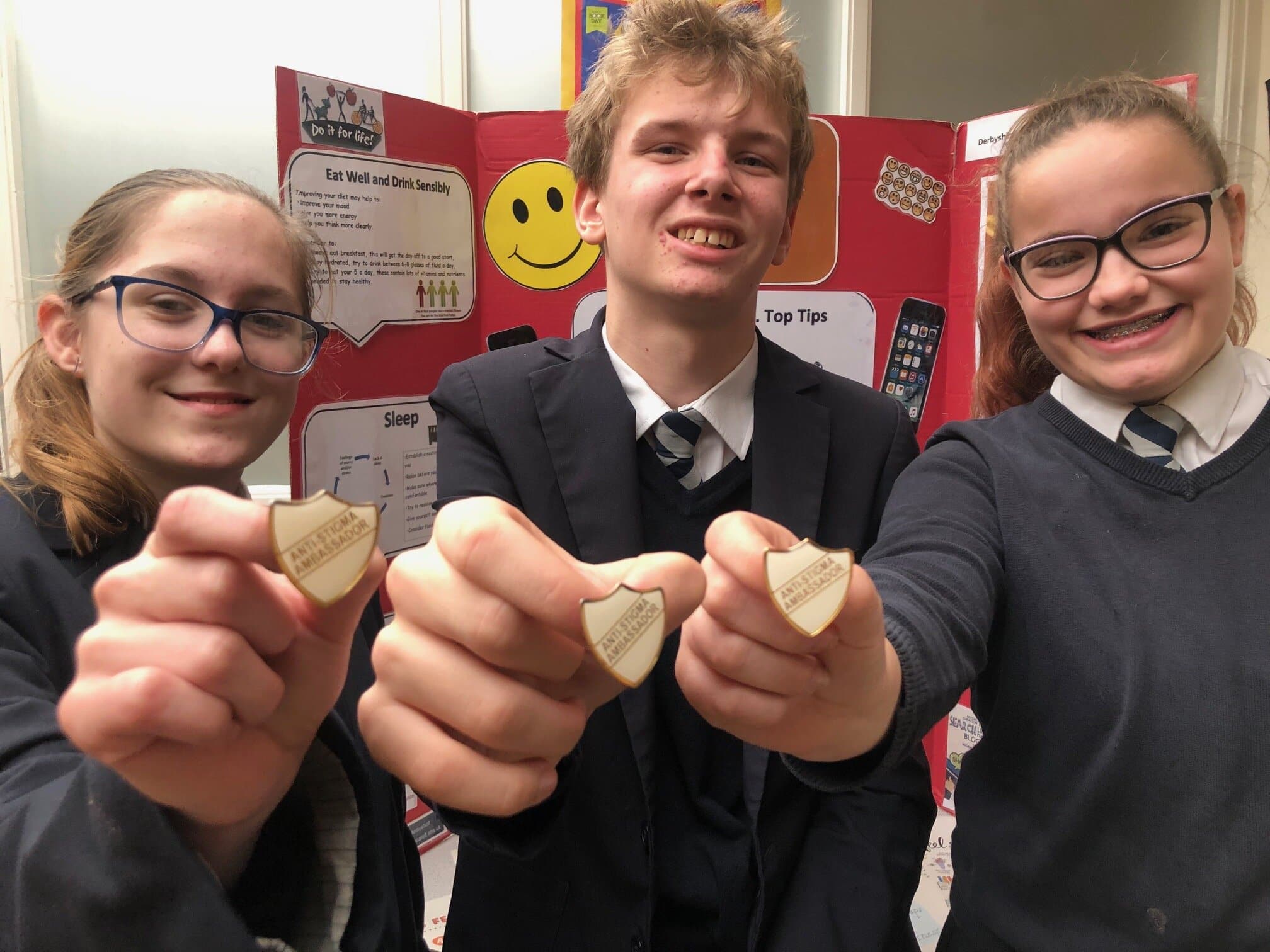
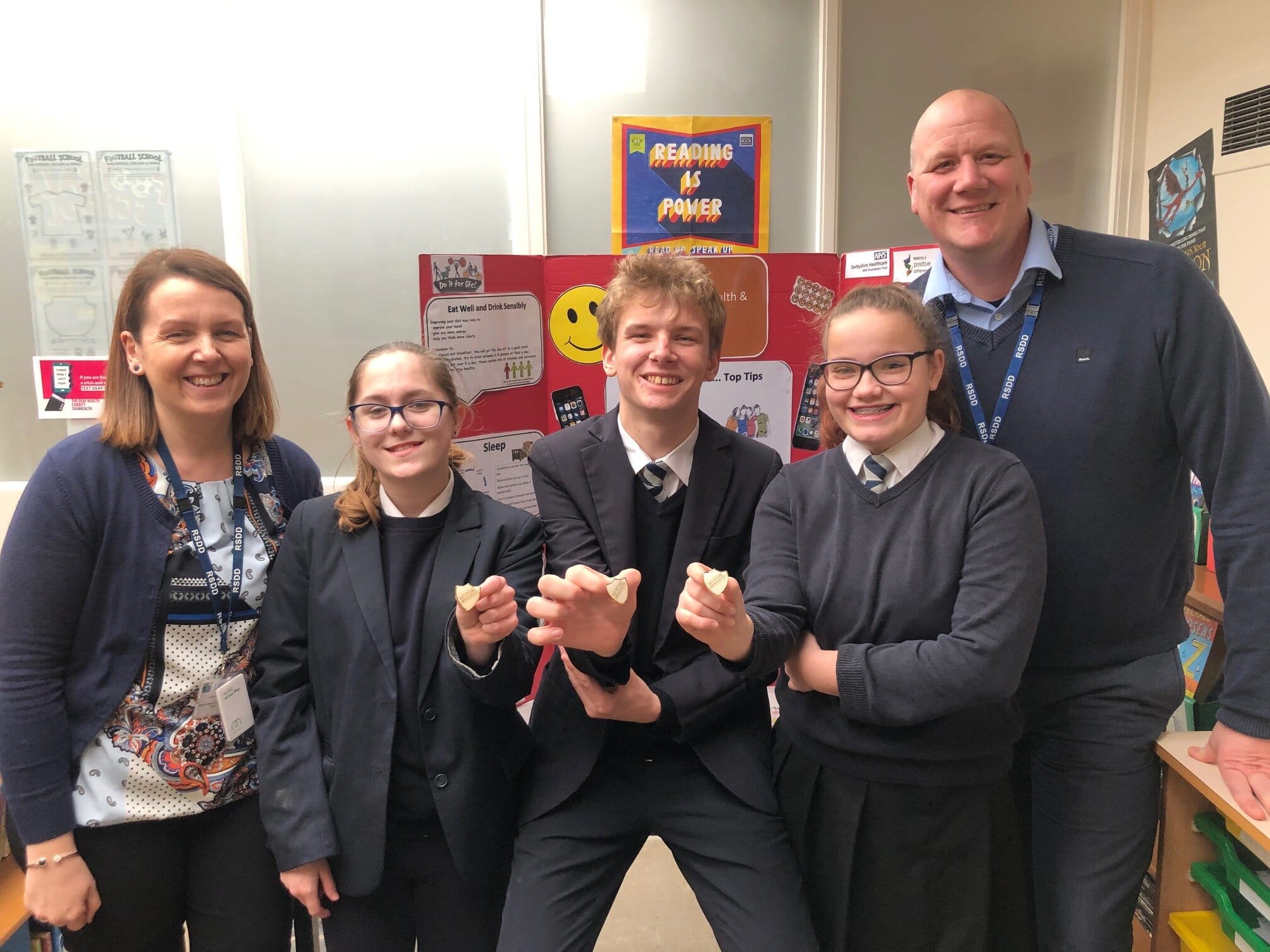
FIVE pupils at a Derby school have been named anti-stigma ambassadors to encourage fellow pupils to feel comfortable talking about mental health issues.
The appointments at Royal School for the Deaf Derby, in Ashbourne Road, are among a series of initiatives launched by the school to help support pupils with their emotional wellbeing and mental health.
Research shows that between 40 and 50% of deaf children will experience mental health problems, compared to around 25% of hearing children, due to isolation and an inability to communicate.
Three pupils in the secondary school and two in primary have received training to become anti-stigma ambassadors and the team has organised a series of events for Children’s Mental Health Week
Among the activities on offer are yoga and meditation, mindfulness colouring and special assemblies to explain the importance of talking about mental health.
Pupil Brady White, 14, is one of the ambassadors. He said: “Our job is to support people who feel sad or down and help them to talk about it. Other pupils know they can come and talk to us if they have something that’s getting them down.”
Thirteen-year-old Isabel Ash added: “We have given special assemblies to pupils explaining that if they are feeling emotional or having a hard time they need to talk about. We’ve explained to people what mental health is and how it is just as important as physical health.”
Staff at Royal School for the Deaf have always recognised that the emotional wellbeing of pupils is hugely important and employs two deaf part-time qualified art therapists and a part-time child psychologist. Having deaf therapists is vital as they have first-hand understanding of the challenges faced by deaf children and are role models for success.
READ MORE: Royal School for the Deaf choir perform at University of Derby to launch Disability Month
The school is also developing a wellbeing hub where they can work with families of deaf children and it is one of the only deaf schools in the country to be working towards a national award called The Carnegie Centre of Excellence for Mental Health in Schools which is being led by the school’s designated senior lead for mental health Lucy Noble.
Headteacher Helen Shepherd said: “Deaf children are particularly vulnerable to mental health issues, because it can be extremely isolating when you struggle to communicate with other people – whether that’s your own family, medical professionals or the community in general.
“Nationally, only one in 10 deaf children have families who can sign, which is one of the reasons we have such a high attendance in school – every pupil here can communicate with staff and fellow pupils in an inclusive environment.
“Deaf children and young people are the experts on their own feelings and emotions and we are conscious that they should have the opportunity to talk about these in a safe and supportive environment without fear of judgement or ridicule, which is why the anti-stigma ambassadors have been created.
“Stigma about mental health can stop children and young people talking about their feelings and reinforce negative views about mental health, which means they are less likely to seek the help they need.”
ENDS
For further information please contact Sarah Newton at Penguin PR on 07974 502 764 or email [email protected]