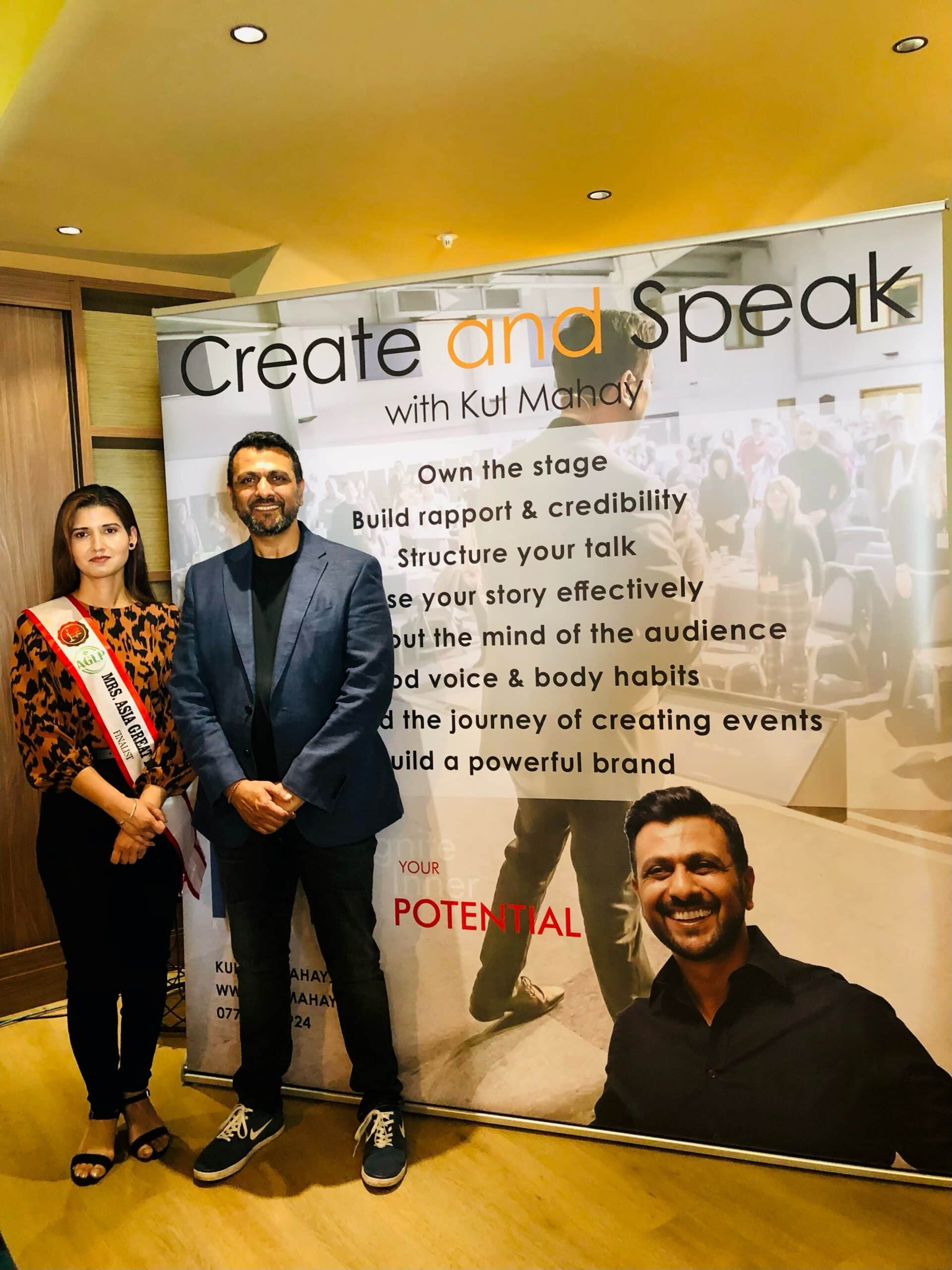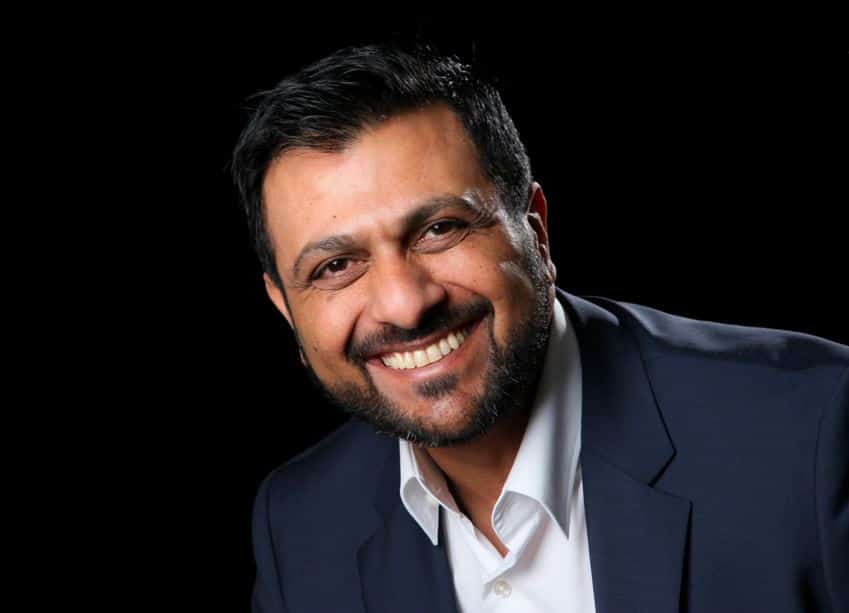
A HUGE backlog, Brexit and the mounting costs of delivering NHS dental care in the UK are driving dentists out of the profession – and top leadership expert Kul Mahay says that urgent action is needed.
A recent study by the British Dental Association found that a huge rise in laboratory costs of around 15%, plus an estimated 50% increase in utility bills means that practices are being put under pressure.
Funding given to practices for Dental Foundation Training has been frozen since 2010 and thousands of dentists have left the NHS since the first lockdown, meaning that patients are having to wait longer than normal for their regular check-up.
On top of this, other findings from the BDA make for stark reading into the UK dental industry; nearly half report that they have reduced their NHS commitment since the onset of the pandemic – with 75% saying that they are likely to reduce, or further reduce their NHS commitment over the next 12 months. Two thirds say their practices have unfilled vacancies for dentists with a staggering 87% having experienced stress, burnout or other mental health issues in the last 12 months.
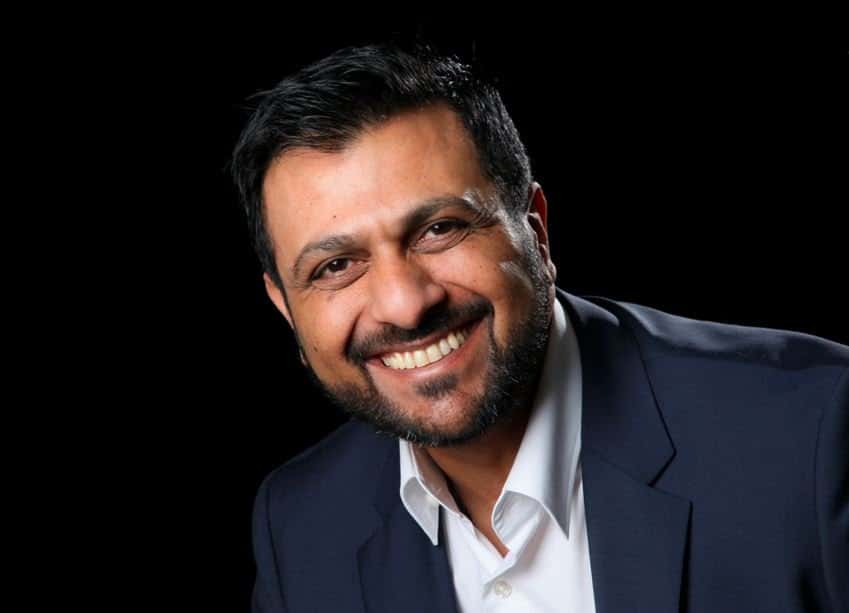
Kul Mahay says that NHS Dentists are at breaking point.
The Health and Social Care Committee launched an inquiry into the recruitment, training and retention in NHS Dentistry earlier this year and has urged the Government to take swift action as the profession ‘will not survive without radical and urgent action from both the Department of Health and the Treasury.’
Kul, who has worked with a wide range of industries on leadership and culture development, including healthcare, police and higher education professionals, says that dentists need support to build their emotional resilience and leadership capacity if they are to thrive.
He has developed a programme for dentists that can help them cope with increased demands during a period of significant and rapid change, which would enable practices to retain talent.
“The NHS is at breaking point. We’re seeing GPs, pharmacists and dentists feeling unappreciated and emotionally drained,” said Kul.
“The recent news of a pay rise in the NHS is most welcome but is this really enough to keep talent within the NHS? There is a shrinking fishpond of talented healthcare professionals and desperate NHS trusts, healthcare organisations, including dental practices are all competing for new staff in this smaller pond. We are living through unprecedented times at the moment and a real focus needs to be had on retention to prevent continuing leakage of talent across healthcare.
“Staff want to feel valued, recognised and to work in an environment where they feel psychologically safe. We all clapped for NHS and key workers during the coronavirus pandemic, but it is now, as hospital wards are full to capacity and there is a massive backlog of appointments, that they need our support.
“They need support to build empathic, inclusive leadership and to combat low morale, sickness and burnout which, ultimately, poses a risk to patient care.”
Kul spent 30 years working for the police and now works with organisations to help develop cultures where people perform to their very best. He says that, as well as the NHS, other public sector organisations are also experiencing high levels of stress, burn out and turnover from their staff.
“People have recalibrated their priorities after covid,” said Kul, “money is the not the sole motivation for them to remain in an organisation. They need to feel appreciated and, right now, with those in the dental sector, the research seems to suggest that they don’t.”
ENDS
For further information please contact Kerry Ganly at Penguin PR on 07734 723951 or email [email protected]