And so, just like that we’ve reached Penguin PR Blog number 100, writes Simon Burch.
Which is incredible, bearing in mind, when we started our blog, we didn’t really have a plan for it, we just wanted to find a place for everyone to flex their writing muscles and, hopefully, entertain and inform a few people along the way.
But as I write, we’ve gathered more than 900 subscribers and we get hundreds of reads of our blogs every week, which is all rather lovely and for which we’re grateful.
So thank you.

Ours aren’t by any means big numbers, but the more we write the blogs we realise that there is more to this than figures, clicks and being a slave to the algorithm.
At the risk of sounding naïve or subversive, or indeed hopelessly old-fashioned, instead we’ve opted to be true to ourselves, relying more on the age-old newspaper practice of creating something that is generally topical and, we hope enjoyable.
Foremost, we want to create a blog that is well-written and that would allow our writers to cut loose and indulge themselves, with a bit of industry titbits or insights thrown in.
And this leads me to the first thing we have learned (or relearned, because the data shows it to still be true) which is – if you want to write a good blog, write about something you know.
This makes it easier and just more fun. Readers can always tell when a writer has enjoyed themselves, because their passion and knowledge sings out in amongst the words.
There is no better way to illustrate this than to return to Lucy’s blog about the humble recorder – an instrument she learned to play in her younger and years and which, she learned to her intense joy, was also a favourite of none other than Kier Starmer.
Cue a blog of around 1,000 words which became a heartfelt lament for an instrument she described as an “underdog”
“You could probably chuck it about the room if you wanted and it wouldn’t really mind.
As subject matters go, it was pretty leftfield, but this didn’t affect the figures. At the time it was one of the best-performing blogs, clearly striking a chord with fellow recorder players elsewhere.
That said, being topical works too, as long as you do it well, which, in the case of Sarah’s blog’s hot-take on the David Beckham documentary earlier this year, was very well done indeed – including this piece of observation.
Another tip? Write about stuff that is of interest to your own niche audience and find someone influential within that niche to help spread the news.
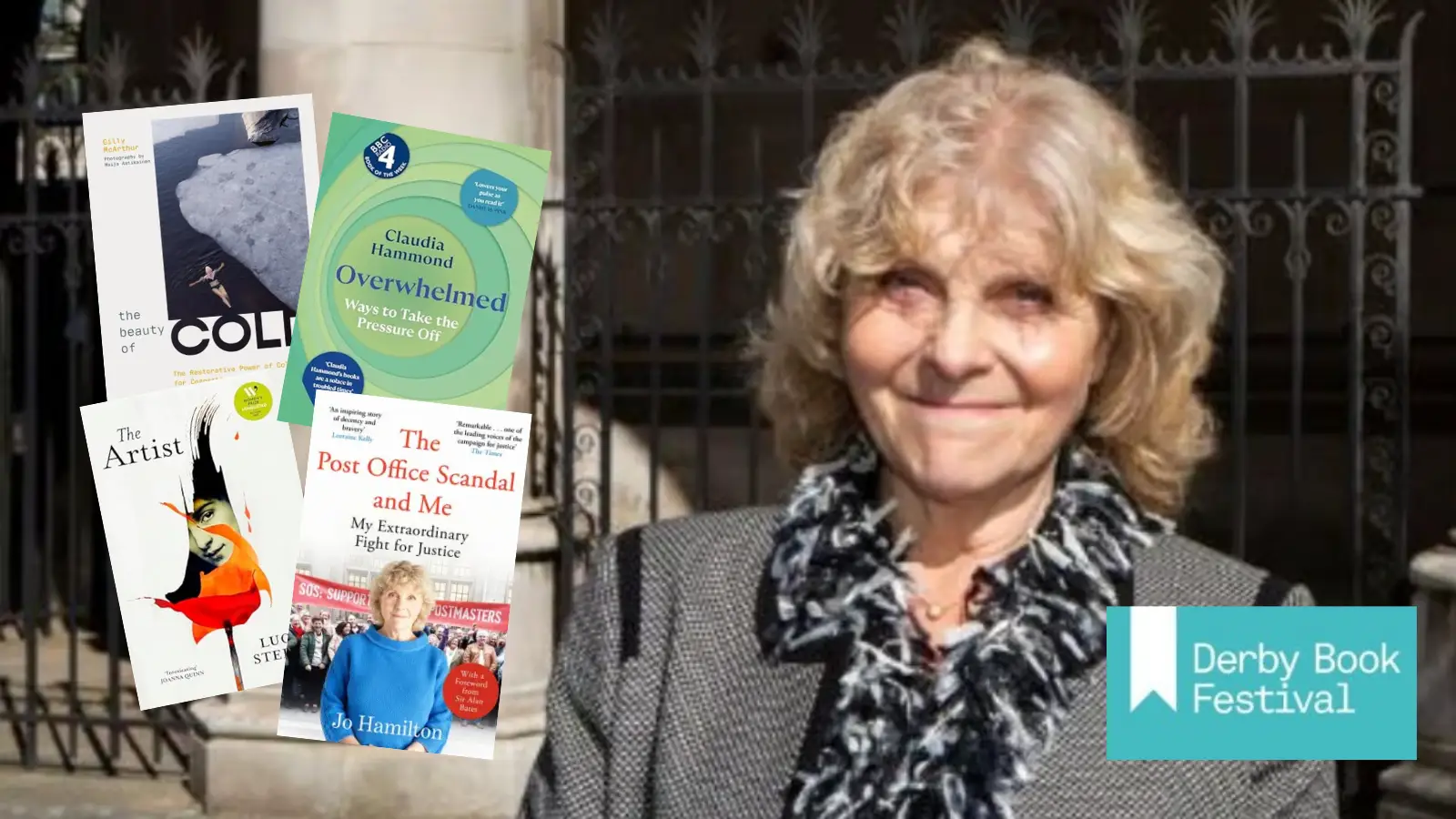
The sad news that Derby had been voted the worst city to visit in the UK brought forth a torrent of comments from May onwards and gave us the best-performing blog of the year – a guest blog by Sadler Gate’s well-known bar and fashion designer, Karl Shaw, which has had just under 400 reads.
However, you also need to find a new angle – which was supplied by our very own Kirsty Green, who wrote about how Hull, which also has had an image problem, has overcome its own PR challenges on the way to winning the City of Culture in 2017.
“I was in the room where the announcement was being streamed live,” she wrote. “Everyone involved in the bid was there, it was like a party. Win or lose the people now believed in their place and the people in that room believed Hull could win. And it did.
“We can learn from Hull, which was named 14th best big city break in that latest Which? Guide, above Nottingham and 10 places above Derby.
“But we are not Hull, nor are we Nottingham, Leicester or any other city. We are Derby and it’s time to believe in our city.”
One of the most prevalent tips you hear about blogging is about the need to write something that gets people commenting.
Personally, I’m wary of this – if our experience is anything to go by, the majority of readers are happy to consume a blog and help it grow without feeling the need to have their say too.
I read plenty of newspaper columns and I have never wanted to add a comment. A good column says everything I would ever say, all there would be left to say would be “well done”.
While feedback is great, personally I feel a lot of calls to action are forced or contrived, with people taking up a position just for the sake of it, or asking daft questions which add little to the conversation.
It might not flatter the needs of the algorithm, but we’ve never deliberately done that, which is why when we do get comments they’re unexpected and all the more welcome for it – such as a conversation which broke out about people’s favourite books when Sarah recently wrote a blog about the dying art of reading.
On the other hand, some subjects which you think might light a firestorm don’t, which goes to show that the best thing to do is just be real and don’t try too hard.
And so we come to the blog which stands tall among all others in terms of reach and engagement and which had no agenda, or specific aim or, really, a brief.
“I love talking obsessively about Taylor Swift, enjoy horse riding, chatting with my friends about which boy I fancy but, sometimes, all people and peers can see is the wheelchair and not the determined, hard-working, sociable girl sitting in it.
“People don’t know how much that affects me and my self-confidence; I often feel invisible.
I’m not sure, if we were chasing data or following a social media plan, if Maya would have been given the chance. It doesn’t reflect PR, it doesn’t offer career or industry advice and it didn’t reflect what was trending that day.
But despite this, to date Mya’s blog has been read 2,716 times, way ahead of the rest, with the vast majority of these reads coming from schoolteachers.
From a strategic point of view, this works for us, since we serve the education sector, so we can justify this as being on brand and reaching out to potential customers.
However, that’s a happy accident, because her blog stands for everything we want our blog to be.
A diversion from the day to day, a chance to write freely and a way we can share stuff which might not otherwise see the light of day.
Are these the kind of reasons that might prompt you to write your own blog? Then if so, our advice is to do what we did – and just start writing.